
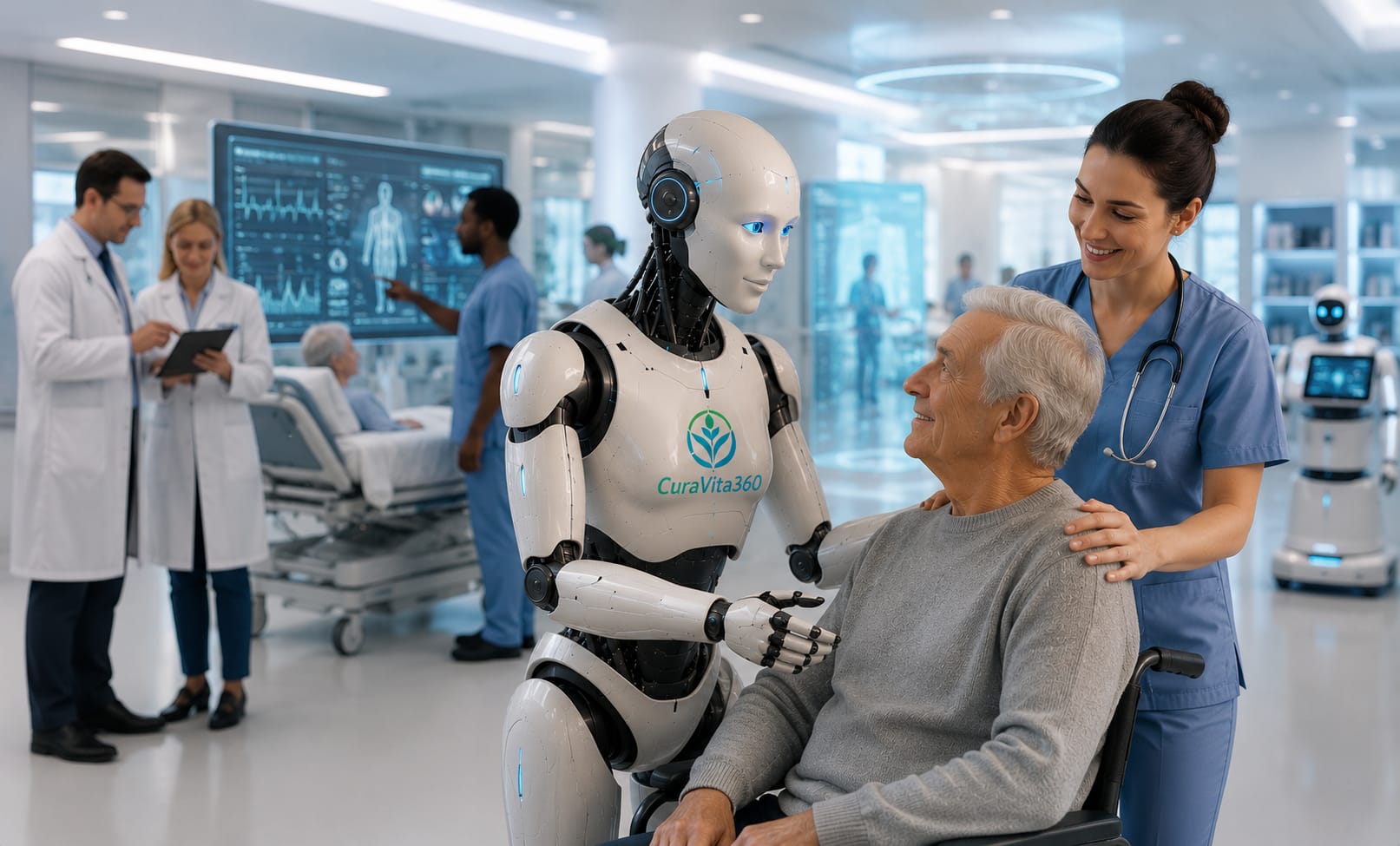
Most people, when asked, say they’d prefer to grow older in their own home rather than in a facility. “Aging in place” is the goal — but it depends on managing the small daily things that keep someone safe, healthy, and connected. AI humanoid companions are emerging as one way to support that independence.
The growing need
The numbers are striking. The global population aged 65 and older passed roughly one billion in 2023 and is projected to reach 1.5 billion by 2050. In many countries, care-worker shortages are already severe. That gap is precisely why governments in aging societies like South Korea and Japan have piloted care and companion robots at scale.
How a companion supports daily life
A humanoid companion can help an older adult stay on routine without feeling monitored or institutionalized. Typical support includes:
• Medication and hydration reminders delivered warmly, not clinically.
• Daily check-ins that ask how someone is feeling and encourage activity.
• Conversation and cognitive engagement to reduce isolation.
• Help keeping appointments and a consistent daily rhythm.
• A friendly point of connection for family who live far away.
Dignity first
The best aging-in-place technology is designed around dignity, not surveillance. Leading research labs frame aging as a design challenge rooted in trust and human connection — not a problem to be solved by cameras and alarms. A companion should feel like a helpful presence the person chose, with clear control over their data and routines.
Setting realistic expectations
A companion robot is not an emergency-response system or a medical monitor. For safety-critical needs, families should still use appropriate medical alert services and professional care. Where the robot shines is in the everyday: routine, encouragement, conversation, and connection — the things that make staying home feel both possible and good.
A tool within a circle of care
Used thoughtfully, a humanoid companion extends the circle of care around an older adult. It doesn’t replace family, friends, or professionals — it helps fill the long hours between their visits with presence and routine.
This article is general information, not medical advice. Companion robots are wellness companions, not medical alert or safety-monitoring devices. For emergencies, call your local emergency number.
Share:
Can a Robot Help You Sleep Better? Wind-Down Routines
AI Robots & Medication Reminders: Better Adherence at Home